The Best Skincare Routine After Fotona Laser Treatments
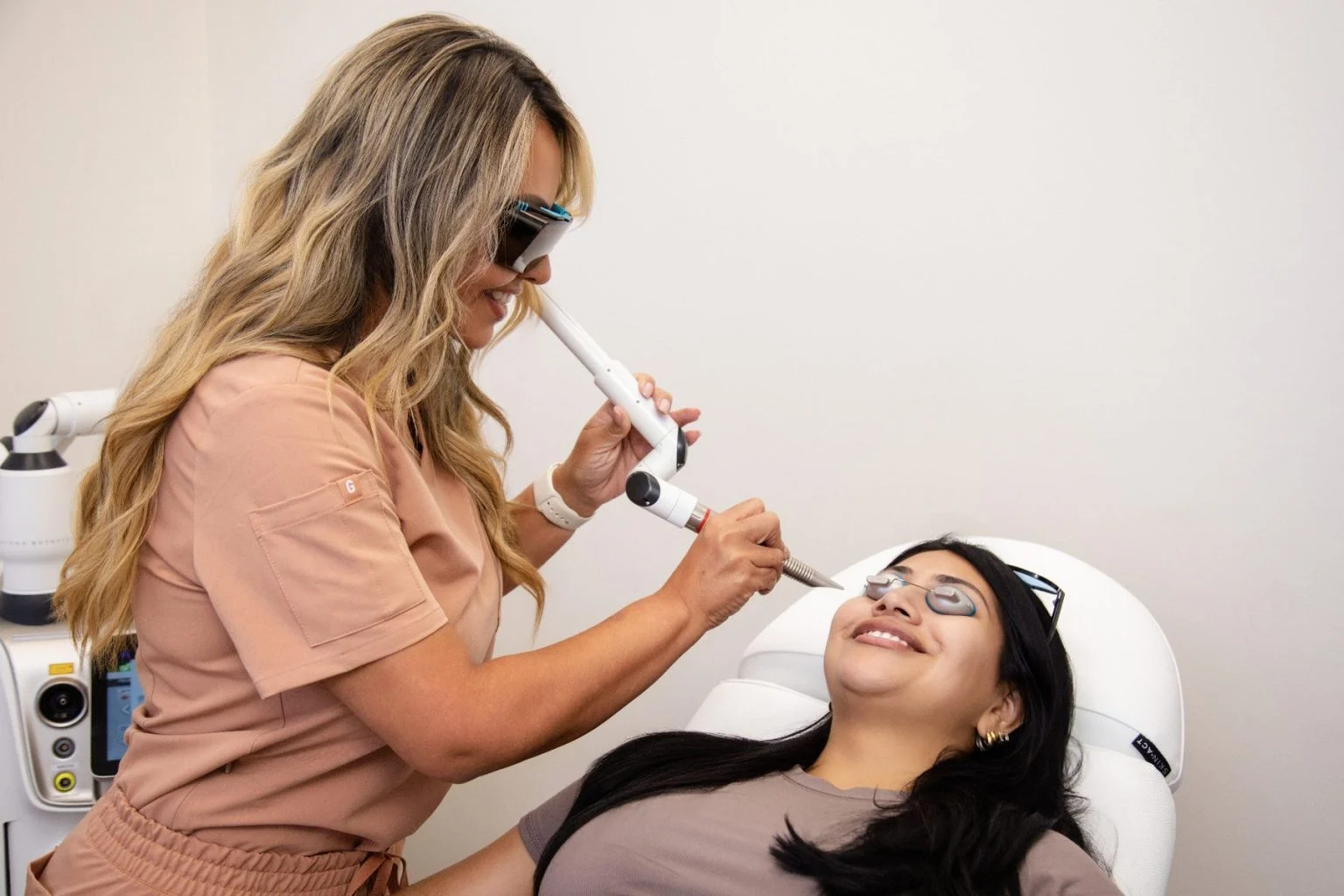
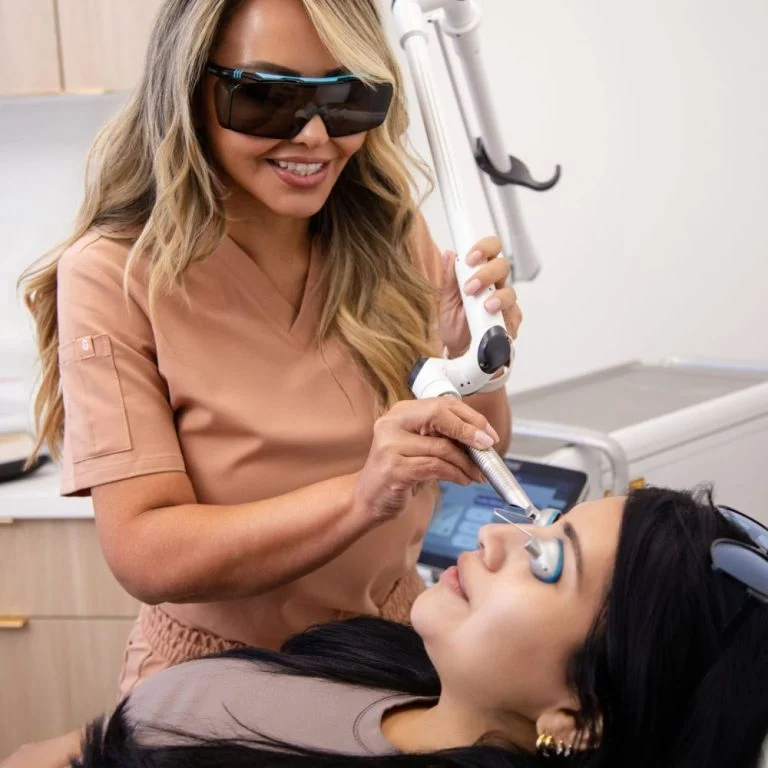
Fotona Laser Treatments can do impressive work on skin texture, fine lines, acne scarring, redness, pore appearance, and overall tone, but the treatment itself is only part of the result. What happens in the days and weeks afterward often determines whether skin heals cleanly, stays calm, and delivers the kind of improvement patients hoped for when they booked the appointment.
That is the part many people underestimate. They prepare for the laser session, arrange time off if needed, and ask the clinic how red they will look. Then they go home and reach for the same cleanser, the same exfoliating pads, the same vitamin C serum, and the same active acne treatment they always use. Sometimes nothing dramatic happens. Sometimes the skin stings, flushes, peels unevenly, or turns more reactive than expected. The treatment did not fail. The post treatment routine did.
A good aftercare plan has one job at first, protect the skin barrier while it repairs itself. After that, the goal shifts. You gradually support collagen remodeling, maintain hydration, avoid post inflammatory pigmentation, and reintroduce useful active ingredients without irritating skin that is still recovering beneath the surface. That balance matters whether someone had a lighter non ablative session with minimal downtime or a more intensive resurfacing treatment with visible redness and peeling.
The challenge is that “Fotona Laser Treatments” covers more than one protocol. Fotona systems are used in several ways, including skin rejuvenation, tightening, resurfacing, vascular work, scar treatment, and combination procedures. Recovery can vary quite a bit depending on settings, the depth of treatment, the area treated, skin tone, and personal sensitivity. Because of that, there is no single universal routine. There is, however, a very reliable framework.
The first principle: treat your skin like a healing wound, not like a cosmetic inconvenience
Immediately after laser treatment, skin is more vulnerable. Heat, controlled micro injury, and inflammation are part of how the treatment works. For the first stretch of healing, even skin that looks only mildly pink can behave very differently than usual. Water loss increases. Product penetration can change. Fragrance stings. Acids burn. A cleanser that always felt “gentle” may suddenly feel harsh.
This is where restraint pays off. Over the years, the patients who heal best usually do less, not more. They resist the urge to speed peeling, scrub away flakes, or layer every soothing product they own. They keep the routine boring. Boring is often excellent medicine for skin.
A simple way to think about recovery is by phases. The first phase is calming and sealing. The second is maintaining hydration and protecting from ultraviolet exposure. The third is a slow return to performance products, only when the skin is clearly ready. If you skip the first phase and rush into correction mode, you often create the very irritation and pigment problems you were trying to avoid.
What to use in the first 72 hours
In the earliest window after treatment, skin usually responds best to a very short routine. If your clinic gave you specific instructions, those come first. Device settings and treatment depth matter, and the person who performed the procedure knows what your skin received.
For many patients, the core routine in the first few days looks like this:
- A very mild cleanser, or just lukewarm water if cleansing is not yet necessary.
- A bland, barrier supportive moisturizer without acids, retinoids, strong fragrance, or essential oils.
- A physical barrier ointment in small amounts if the skin feels raw or very dry, especially around high movement areas like the mouth.
- Broad spectrum sunscreen once the skin can comfortably tolerate application, ideally mineral based if the skin is very reactive.
- Nothing exfoliating, stimulating, or “corrective,” even if it is normally part of your best routine.
That is not a glamorous regimen, but it is usually the right one. The main ingredients worth looking for at this stage are the unflashy, reliable ones: glycerin, hyaluronic acid if it does not sting, panthenol, ceramides, cholesterol, fatty acids, petrolatum in appropriate amounts, and sometimes thermal water mists if they are used to comfort rather than replace moisturizer.
The ingredients worth avoiding early are just as important. Glycolic acid, salicylic acid, lactic acid, retinol, tretinoin, adapalene, benzoyl peroxide, strong vitamin C formulas, abrasive scrubs, cleansing brushes, peel pads, and highly fragranced products can all provoke unnecessary irritation after laser work. Even niacinamide, often called universally gentle, can sting some patients when their barrier is compromised, especially in higher percentage formulas.
If the treated area feels hot, cold compresses can help, but they should be truly gentle. No ice directly on the skin. No rubbing. Just brief, clean, cool contact. A surprising number of people create more redness by over handling the skin than by anything in the products themselves.
Cleansing matters more than most people think
After Fotona Laser Treatments, patients often focus on serums and repair creams, but cleansing is where many routines go wrong. If skin is sensitized, a cleanser with strong surfactants or active ingredients can reset the irritation cycle twice a day.
A good post laser cleanser should rinse clean without leaving the skin tight. It should not foam aggressively. It should not contain exfoliating acids, scrubbing particles, or perfume. A cream or lotion cleanser usually works better than a gel during the early healing stage, although some very gentle gel cleansers are fine if the skin tolerates them.
Use fingertips only. No washcloths unless your provider specifically says the skin is ready. No sonic devices. Pat dry with a clean, soft towel. The difference between patting and rubbing sounds small until you see how easily freshly treated skin can become more inflamed from friction alone.
This is also the time to be realistic about frequency. If you are staying home and not sweating, a morning cleanse may not be necessary. Rinsing with lukewarm water can be enough for some people. At night, a proper cleanse is usually sensible, especially if you are wearing sunscreen.
Moisturizer is not optional, but texture should match the treatment
There is a common mistake in post procedure skincare: patients either use too little moisturizer because they fear clogging pores, or they smother the skin in occlusives because they assume heavier always means better. Neither approach is always right.
After milder Fotona Laser Treatments, many people do best with a medium weight barrier cream, something rich enough to reduce water loss but not so greasy that it traps heat or feels suffocating. After more intensive resurfacing, a provider may recommend a more occlusive recovery ointment for a defined period. This can be especially helpful around areas prone to cracking or crusting.
Texture matters because the wrong product can make you miserable even if the https://lorenzofsnf133.yousher.com/can-fotona-laser-treatments-improve-skin-texture-and-tone ingredient list looks excellent. Very oily skin can become uncomfortable under thick balm textures, while dry or mature skin may feel under supported by a light lotion. The goal is to keep the skin consistently comfortable, not shiny for the sake of looking “protected” and not dry enough to pull when you smile.
If your moisturizer stings for more than a few seconds, that is information. It does not always mean the product is bad, but it may mean your skin is not ready for it. I have seen patients insist on continuing a favorite cream because it is expensive or dermatologist recommended, despite obvious burning. Post laser skin does not care what the label says. It only cares what it can tolerate.
Sunscreen is the product that protects your result
The best skincare routine after Fotona Laser Treatments can be undermined quickly by poor sun protection. Freshly treated skin is more prone to pigment changes, and even small amounts of daily ultraviolet exposure can prolong redness and interfere with a smoother recovery.
This is one of the moments when sunscreen needs to be used properly, not symbolically. A thin swipe in the morning is not enough. Broad spectrum protection, generous application, and reapplication matter. Hats, shade, and avoiding peak sun are part of the same strategy. If you have ever seen a patient heal beautifully everywhere except along the edges where sunglasses sat or where a cap left gaps, you learn fast that the details count.
Mineral sunscreens with zinc oxide are often easier for irritated skin to tolerate, though some modern chemical formulas can work if the barrier is not too disrupted and the patient has a history of tolerating them well. The best sunscreen after treatment is the one your skin can comfortably wear every day in the recommended amount. Elegant feel matters because compliance matters.
If sunscreen burns, do not force it without discussing it with your provider. Sometimes the skin needs an extra short window of healing before daily sunscreen feels comfortable, and in that period strict sun avoidance becomes even more important. Staying indoors near large sunny windows for hours can still add up, especially for pigment prone skin.
When to restart active ingredients
This is where judgment matters more than rules. People want exact dates. Day three for vitamin C. Day five for retinol. Day seven for exfoliation. Real skin rarely follows a neat schedule.
For many patients, active ingredients return only after redness has significantly settled, the skin no longer feels hot or prickly, and routine moisturizer can be applied without stinging. That may be a few days after a light treatment or a couple of weeks after a more intensive session. Sometimes longer. If you are still peeling, feeling unusually sensitive, or seeing patchy inflammation, it is too early for strong actives.
Retinoids usually come back later than patients want. Acids should be treated with similar caution. Even products that are beneficial long term can create a setback if reintroduced when the skin barrier is still fragile. Vitamin C is particularly variable. Some formulations are well tolerated later in recovery, while low pH formulas can feel brutal on recently treated skin.
A gradual return works best. Choose one active, use it less frequently than usual at first, and watch for signs that the skin is objecting. Those signs include persistent stinging, increased redness, new dryness that does not improve with moisturizer, or a rough reactive texture that was not there before. The biggest mistake is reintroducing several actives at once and then having no idea which one caused the flare.
Acne prone skin needs patience after laser
Patients who are prone to breakouts often struggle with the recovery period because the creams that help the barrier can feel heavier than they prefer, while the acne treatments they rely on are usually too irritating right after laser. This tension is real. It needs a plan rather than panic.
Short term congestion does not always mean the wrong moisturizer. Skin can behave unpredictably while healing, and temporary bumps may settle as inflammation decreases. On the other hand, using a thick ointment all over oily, acne prone skin for too long can create its own problems. Sometimes the solution is strategic application, heavier around dry or treated zones and lighter in areas that clog easily.
Benzoyl peroxide and salicylic acid are common casualty products here. They are useful, but they are not early recovery products. Most acne prone patients do better if they accept a brief pause and focus on barrier repair first. A few extra clogged pores are usually easier to correct later than a prolonged irritant dermatitis that derails recovery.
Darker skin tones require extra vigilance around pigment
Post inflammatory hyperpigmentation is one of the most important concerns after any laser treatment, particularly in medium to deep skin tones or in anyone with a history of marking easily after inflammation. This does not mean Fotona Laser Treatments are off the table. It means aftercare needs to be especially disciplined.
Sun protection is non negotiable. Picking at flaking skin is a bad idea for everyone, but particularly risky here. Rubbing, aggressive cleansing, and restarting actives too soon can all increase the chance of unwanted pigment. Even heat exposure matters for some patients. Hot yoga, steam rooms, saunas, and very hot showers in the early phase can worsen redness and inflammation.
Later in recovery, some patients benefit from pigment conscious products such as azelaic acid, low irritation pigment inhibitors, or carefully chosen retinoids, but timing matters. The best prevention is often not a fancy corrective serum. It is a calm recovery with minimal irritation.
Makeup, exercise, and the other practical questions
Patients tend to remember the big warnings and forget the everyday ones. The small habits often decide how smooth recovery feels.
Makeup is often best delayed until the skin surface has settled enough that application does not drag or sting. Mineral powder may sound gentle, but even the brushing motion can be irritating too early. Tinted mineral sunscreen can be a good bridge if the skin tolerates it, giving some cosmetic coverage with less handling.
Exercise is another frequent issue. Hard workouts increase heat, sweat, and blood flow, all of which can aggravate redness in the early window. A patient who feels “fine” the day after treatment may still flush dramatically after a spin class. Gentle walking is one thing. High intensity training is another. The skin generally tells the truth here. If it throbs, turns bright red, or feels uncomfortable afterward, the activity was too much too soon.
Hot water, alcohol based toners, exfoliating pads, facial waxing, and even vigorous towel drying can all be little recovery saboteurs. None of them are catastrophic alone, but together they can keep skin stuck in a reactive loop.
A realistic timeline for recovery
No timeline fits every protocol, but most patients do well when they think in broad stages rather than exact promises.
During the first few days, the skin usually needs simplicity, moisture, and protection. Redness, warmth, dryness, and a tight feeling are common, depending on treatment intensity. In the next stretch, often over one to two weeks, visible irritation may settle while dryness, roughness, or fine flaking continue. That is the phase when people are tempted to exfoliate. Resist it. Let the skin release what it is ready to release.
Longer term remodeling continues beyond what the mirror shows in the first week. This is one reason some patients become impatient and over treat the skin too early. Just because the surface looks mostly normal does not mean the skin has fully recovered its resilience. Respecting that lag is one of the more professional, less glamorous truths about procedural skincare.
A sample routine that works well for many patients
The following routine is not a substitute for your provider’s instructions, but it reflects what tends to work reliably for many uncomplicated recoveries after Fotona Laser Treatments.
Morning can be as simple as a lukewarm rinse, followed by a barrier supportive moisturizer and a broad spectrum sunscreen. If the skin is dry, another thin layer of moisturizer under sunscreen can make a real difference. Evening usually consists of a gentle cleanse, the same moisturizer, and if needed, a small amount of occlusive ointment on the driest spots.
Once the skin is no longer tender or reactive, a bland hydrating serum can be added if it truly helps comfort. Later still, one active ingredient at a time can be brought back into the routine, ideally on alternating nights first. This is especially useful for patients using prescription retinoids or acid exfoliants, since it reduces the chance of a rebound irritation cycle.
The patients who do best are often the ones who stop chasing the sensation of doing more. They let the treatment work. They support the skin quietly. They pay attention to what the skin is doing rather than what a bottle promises.
Warning signs that deserve a call to your provider
Most redness, tightness, and mild swelling settle with time, but there are times when a clinic should hear from you sooner rather than later.
- Increasing pain rather than steady improvement.
- Blistering, pus, honey colored crusting, or signs of infection.
- Severe swelling, especially around the eyes, that does not start easing.
- New dark patches or unusual pigment changes developing quickly.
- Burning or rash that worsens every time you apply even bland products.
Patients sometimes wait because they do not want to be difficult or they assume every bad reaction is normal healing. A quick message and a photo can save days of unnecessary irritation. It can also catch a true complication early, which matters.
The routine changes once healing is complete
After recovery, skincare can become more ambitious again, but this is where discipline still matters. The treatment gave your skin a window of opportunity. It makes sense to support that with good daily habits, not sabotage it with random product experimentation.
For some patients, maintenance means a retinoid, daily sunscreen, and a balanced moisturizer. For others, especially those targeting pigmentation or acne scars, the long term routine may also include azelaic acid, carefully chosen antioxidants, or a gentle exfoliant used sparingly. More is not inherently better. Consistency is usually what separates skin that looks steadily healthier from skin that cycles between over treated and under repaired.
There is also a mindset shift that helps. Laser procedures and home skincare are not competing approaches. They are partners. Fotona Laser Treatments can create change that topical products cannot easily replicate on their own, but home care protects the investment and shapes how elegantly the skin moves through recovery.
The best post laser routine is rarely the most expensive, the most complicated, or the most talked about online. It is the routine your healing skin can tolerate, day after day, without protest. Gentle cleansing, barrier repair, intelligent sun protection, and patient reintroduction of actives may not sound dramatic, but in practice they are what keep results clean, even, and durable.
If you remember one thing, let it be this: after Fotona Laser Treatments, calm skin is successful skin. The glow people admire a few weeks later usually begins with a surprisingly uneventful bathroom counter.
OMNIA Wellness Center
Address: 16430 Ventura Blvd Ste 207, Encino, CA 91436
Phone number: +18183868511
FAQ About Fotona Laser Treatments
What is a Fotona laser good for?
A Fotona Laser system is a versatile, dual-wavelength medical laser used primarily for non-surgical skin tightening, anti-aging rejuvenation, and dermatological treatments.
How much does the Fotona laser cost?
The cost of a Fotona laser depends heavily on whether you are looking to purchase a laser machine for a medical practice or are a patient seeking a laser treatment at a medspa.
Is a Fotona laser worth it?
A Fotona laser treatment is generally worth it if you want non-surgical skin tightening, improved texture, and collagen stimulation with very little downtime.